

Mang thai là hành trình tuyệt diệu nhưng cũng đầy thách thức với cơ thể người phụ nữ. Khi làn da bắt đầu mất đi độ đàn hồi, xương khớp chịu áp lực nhiều hơn và mái tóc dễ gãy rụng hơn thường lệ, đó cũng là lúc collagen - loại protein "nền móng" của làn da và mô liên kết - trở nên đặc biệt quan trọng. Bổ sung collagen đúng cách không chỉ giúp mẹ bầu giảm nguy cơ rạn da, duy trì làn da mịn màng mà còn hỗ trợ sức khỏe xương khớp trong suốt thai kỳ. Tuy nhiên, lựa chọn collagen phù hợp và an toàn là điều không thể xem nhẹ.
Lợi ích của Collagen đối với mẹ bầu

Khi mang thai, làn da của mẹ phải căng ra từng ngày để “dành chỗ” cho bé yêu lớn lên. Collagen giúp duy trì độ đàn hồi tự nhiên cho da, từ đó hạn chế tối đa tình trạng rạn nứt, da khô và mất nước. Không chỉ chăm sóc làn da, collagen còn hỗ trợ xương khớp chắc khỏe – điều vô cùng cần thiết khi cơ thể mẹ phải gánh thêm trọng lượng từ thai nhi.
Mang thai là hành trình tuyệt diệu nhưng cũng đầy thách thức với mẹ bầu
Sự thay đổi nội tiết tố trong thai kỳ cũng khiến tóc dễ rụng, móng tay yếu hơn, collagen chính là giải pháp giúp nuôi dưỡng từ bên trong giúp mái tóc chắc khỏe và móng tay cứng cáp hơn. Đặc biệt, collagen còn tham gia vào quá trình hình thành mô liên kết, hỗ trợ phát triển da, xương và sụn cho thai nhi – góp phần giúp bé yêu phát triển toàn diện ngay từ trong bụng mẹ.
Bổ sung Collagen an toàn cho mẹ bầu - Mẹ đẹp, con khỏe từ bên trong
Trong thai kỳ, làn da, xương khớp và tóc móng của mẹ đều cần được chăm sóc đặc biệt và collagen chính là “người bạn đồng hành” không thể thiếu. Tuy nhiên, để bổ sung collagen an toàn và hiệu quả, mẹ bầu nên lưu ý những điểm sau:
🔹 Ưu tiên Collagen Peptide (Type 1 & 3): Đây là dạng collagen có cấu trúc gần giống với collagen trong cơ thể người, dễ hấp thụ và đặc biệt an toàn cho mẹ bầu.
🔹 Chọn Collagen dạng thủy phân (Hydrolyzed Collagen): Giúp collagen “thấm” nhanh vào cơ thể mà không gây áp lực lên hệ tiêu hóa – rất lý tưởng trong giai đoạn mang thai.
🔹 Bổ sung Collagen có nguồn gốc từ cá hoặc bò ăn cỏ (Grass-fed Bovine Collagen): Đây là những nguồn collagen sạch, ít nguy cơ nhiễm độc kim loại nặng và dễ tiêu hóa hơn.
🔹 Bổ sung đúng liều lượng: Mỗi ngày mẹ bầu chỉ nên dùng lượng khuyến nghị theo tư vấn của chuyên gia. Bổ sung quá nhiều collagen có thể gây mất cân bằng dinh dưỡng hoặc làm gan, thận phải hoạt động nhiều hơn.
🔹 Kết hợp với thực phẩm giàu collagen tự nhiên: nước hầm xương, cá hồi, lòng trắng trứng, thịt gà, rau xanh và các loại trái cây giàu vitamin C như cam, kiwi, chanh – giúp cơ thể sản sinh collagen một cách tự nhiên.
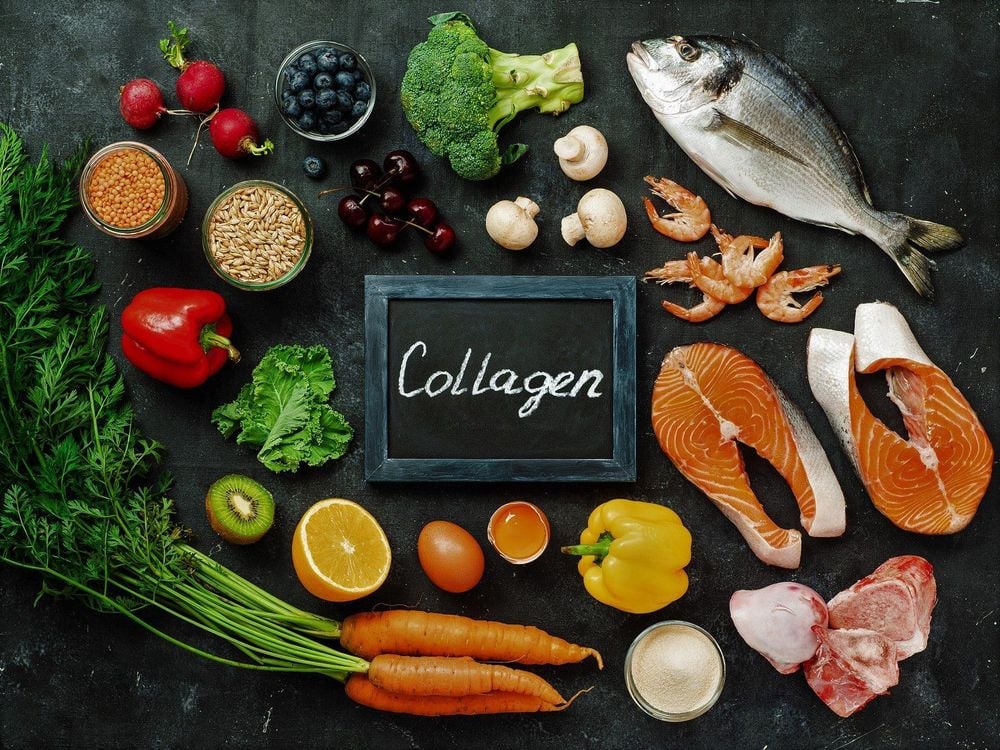
Mẹ bầu nên bổ sung các thực phẩm giàu Collagen
Và nếu mẹ đang tìm kiếm một sản phẩm collagen an toàn, dễ hấp thu trong thai kỳ, ALFE chính là một lựa chọn lý tưởng. Collagen trong ALFE ở dạng thủy phân, dễ hấp thu, không gây áp lực lên hệ tiêu hóa – phù hợp để mẹ bổ sung mỗi ngày, kể cả trong giai đoạn mang thai. Ngoài ra, Collagen ALFE cũng là collagen duy nhất trên thị trường Việt Nam có chứa sắt, sản phẩm tận dụng tối đa lợi ích của sắt để hỗ trợ tuần hoàn máu, vận chuyển oxy, giúp làn da của mẹ luôn hồng hào và cải thiện tình trạng thiếu sắt thai kỳ.
Đặc biệt, ALFE chứa lượng calo thấp, do đó mẹ bầu không sợ bị tăng cân hay nổi mụn. Không những thế, sản phẩm ALFE Không chứa alcohol, chất bảo quản, hay cacaffein, do đó mẹ bầu có thể uống buổi tôí mà không sợ mất ngủ, giúp ngủ ngon, tối ưu hiệu quả dưỡng da.
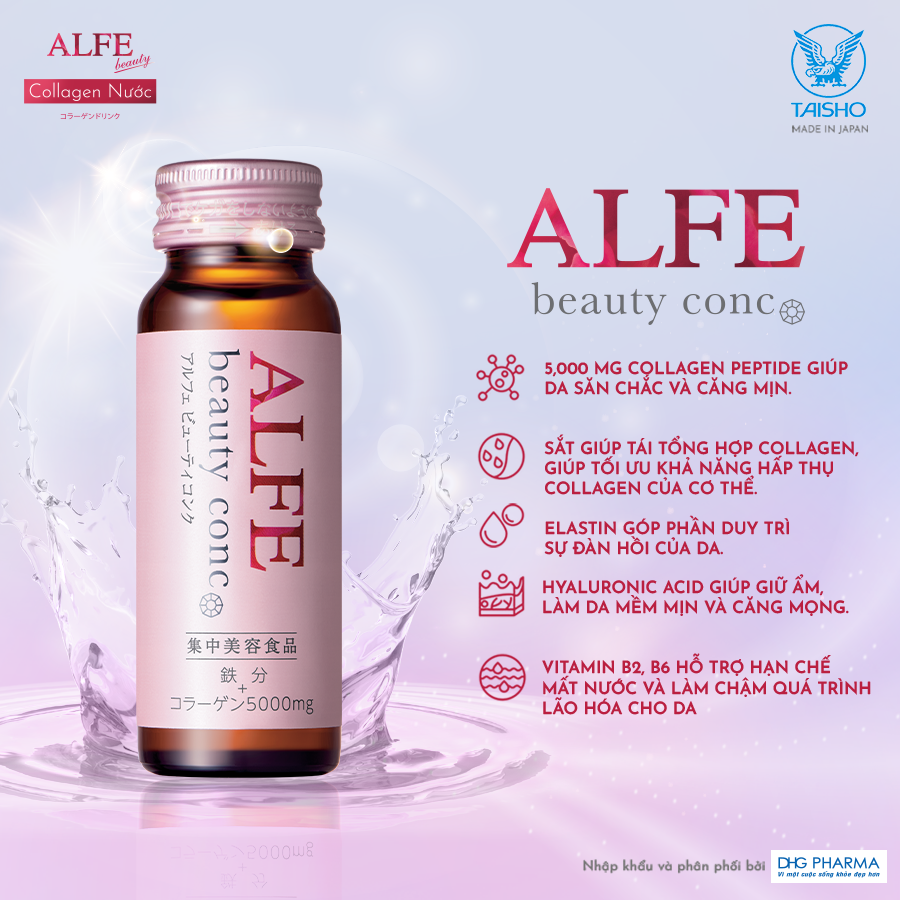
Collagen ALFE là lựa chọn an toàn và hoàn hảo cho mẹ bầu trong suốt thai kỳ
Collagen thật sự có lợi cho mẹ bầu nếu được bổ sung đúng cách và đúng thời điểm. Đừng để hành trình mang thai trở thành nỗi lo về làn da, xương khớp hay mái tóc xơ rối. Hãy chủ động chăm sóc bản thân mỗi ngày, bắt đầu từ việc hiểu đúng và lựa chọn collagen an toàn, khoa học. Tuy nhiên, tốt nhất là mẹ bầu nên tham khảo ý kiến bác sĩ về việc bổ sung Collagen và sản phẩm bổ sung collagen an toàn để phù hợp với mẹ và an toàn cho bé nha!
Hãy tìm cửa hàng gần nhất để trải nghiệm Collagen ALFE: